General Contractor Invoice Template
Create professional general contractor invoices with our template. Designed for construction projects with progress billing, subcontractor tracking, draw schedules, and change order documentation. Download instantly in PDF, Word, or Excel format.
Download Popular General Contractor Invoice Templates
Download a ready-to-use PDF template or generate your invoice online in seconds.
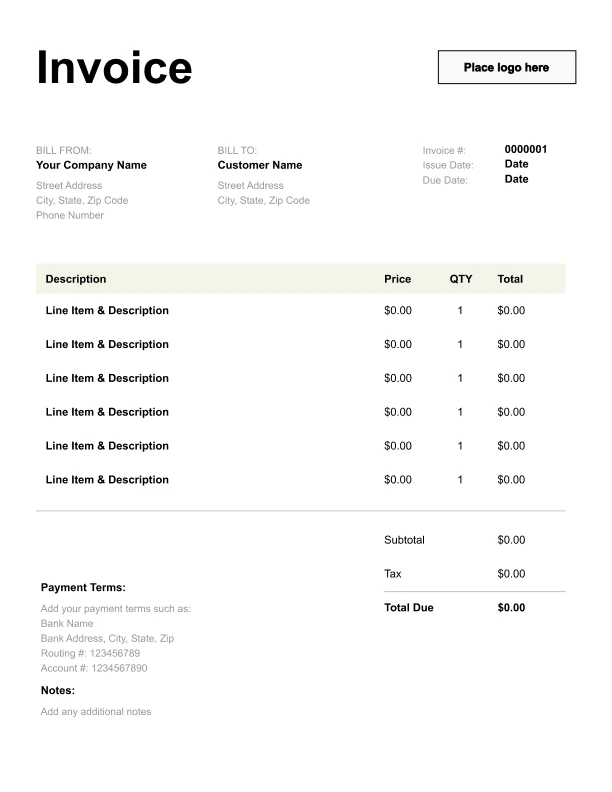
Clean General Contractor Invoice Template
A simple, versatile layout for services or products.
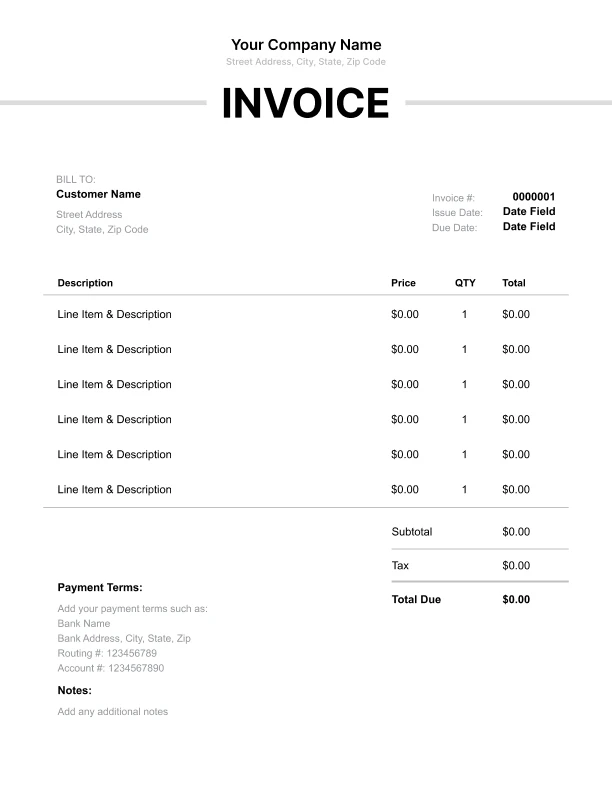
Minimal General Contractor Invoice Template
Lightweight design that keeps focus on line items.
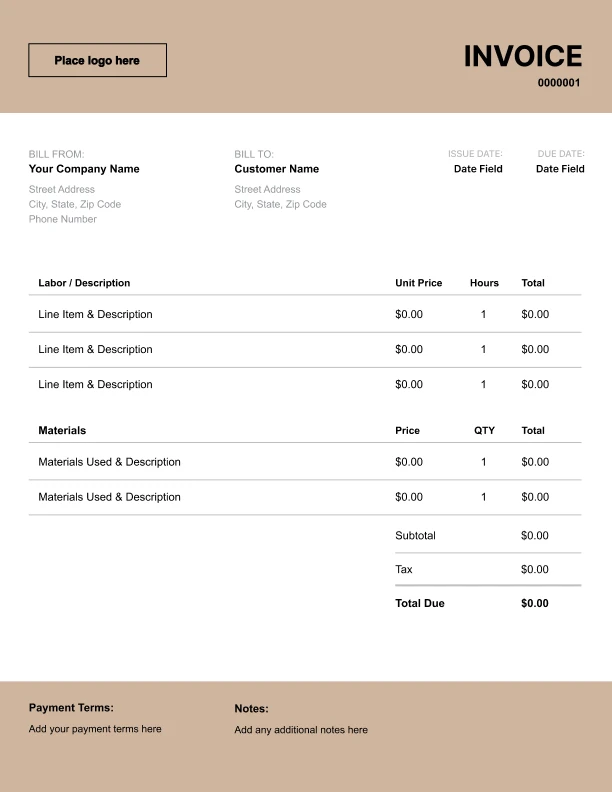
Bold General Contractor Invoice Template
Strong structure for large projects or milestones.
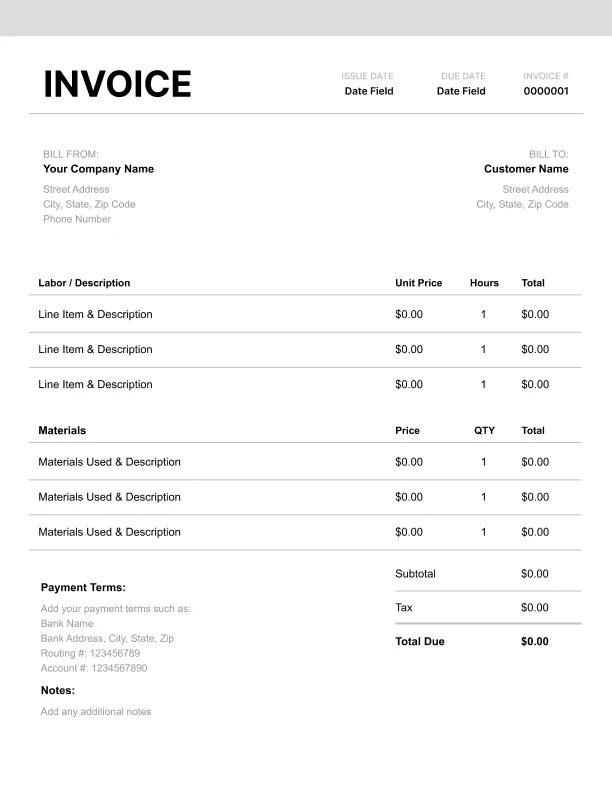
Classic General Contractor Invoice Template
Timeless styling that works for any industry.
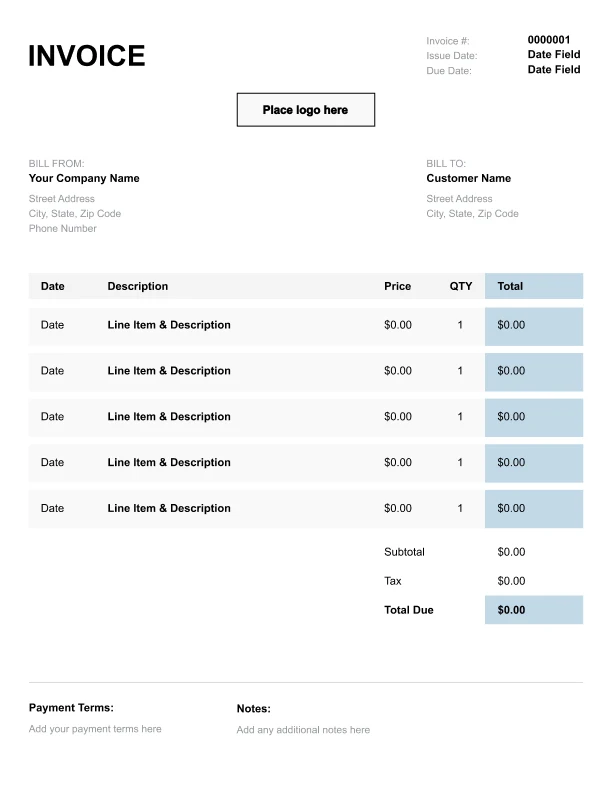
Simple General Contractor Invoice Template
Easy to scan and perfect for quick billing.
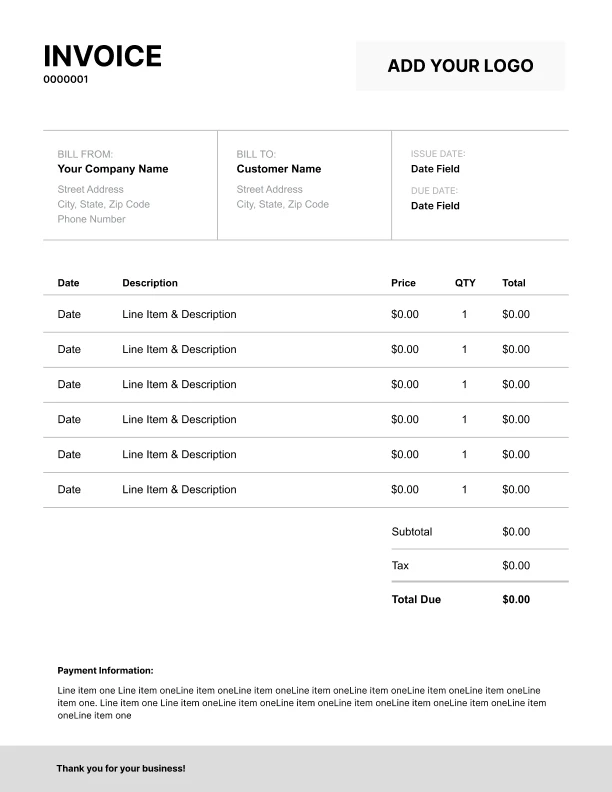
Detailed General Contractor Invoice Template
Extra room for items, notes, and tax breakdowns.
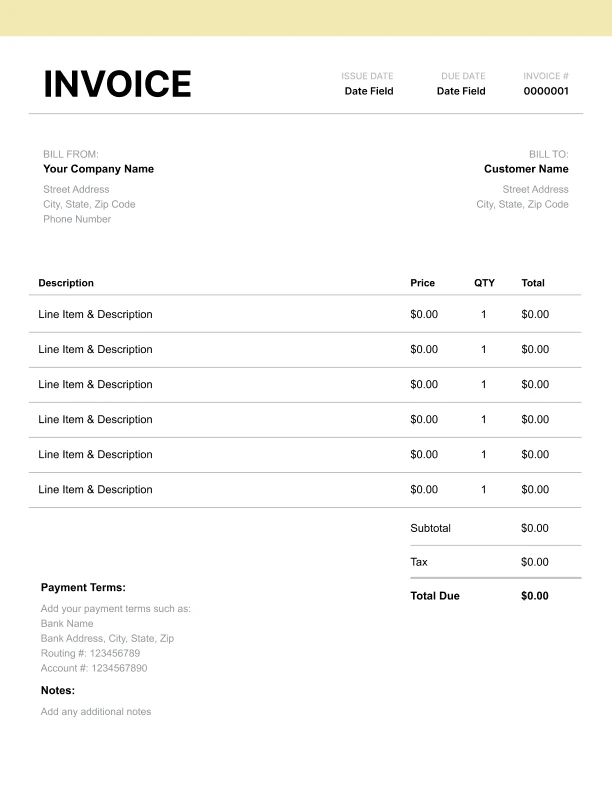
Modern General Contractor Invoice Template
Clean sections with a subtle accent header.
Use Free General Contractor Invoice Generator
Prefer a polished, client-ready invoice fast? The generator auto-calculates totals, applies taxes and discounts, and lets you customize your logo and colors.
General Contractor Invoice Generator
General Contractor Billing Approaches
GCs typically use these billing structures:
1. Fixed Price / Lump Sum
Single price for the complete project. Profit depends on accurate estimating and cost control. Most common for residential construction.
2. Cost-Plus
Bill actual costs plus a markup percentage (15-30%) or fixed fee. Best for projects with uncertain scope. Requires detailed cost tracking.
3. Time & Materials (T&M)
Bill hourly labor rates plus materials and subcontractors with markup. Common for remodeling where scope is unclear.
4. Unit Price
Fixed price per unit of work (per sq ft, per door, etc.). Common in commercial work with repetitive tasks.
Essential Elements of a Contractor Invoice
Professional contractor invoices must include:
Project Information- Project name and address
- Contract reference number
- Draw or progress payment number
- Percentage of project complete
- GC overhead and profit (typically 15-30%)
- Labor costs (own crews)
- Subcontractor costs with names
- Materials and supplies
- Equipment rental
- Permit and inspection fees
- Previous draws/payments received
- Current payment request amount
- Total billed to date
- Remaining contract balance
- Retainage held
- Approved change order numbers
- Change order descriptions
- Additional costs or credits
- Revised contract total
- Contractor license number
- Insurance certificate reference
- Permit numbers
- Lien waiver status
- Subcontractor invoices
- Material receipts
- Inspection approvals
- Time sheets if T&M
How General Contractors Mark Up Costs
Standard markup practices in construction:
Labor Markup- Own crew labor: 15-30% overhead & profit
- Subcontractor labor: 10-20% supervision markup
- Project management time: bill separately or build into GC fee
- Direct materials: 15-30%
- Subcontractor materials: 0-10% (already marked up)
- Equipment rental: 10-20%
- Overhead: 10-20% (office, insurance, vehicles, tools)
- Profit: 8-15% (actual profit margin)
Progress Billing and Draw Schedules
How to structure payments on construction projects:
Typical Draw Schedule
1. 10% deposit upon contract signing
2. 25% at completion of foundation/framing
3. 25% at rough-in completion (MEP)
4. 25% at drywall and trim completion
5. 10% at final completion and approval
6. 5% retainage released after lien period
- Completed work this period
- Stored materials (materials purchased but not yet installed)
- Minus previous payments
- Minus retainage percentage
- Equals current payment due
Change Order Billing
Bill change orders either on the next regular draw or immediately as a separate invoice depending on amount and contract terms.