Masonry Invoice Template
Create professional invoices for masonry work with clear labor, materials, and job-site details. This masonry invoice template supports brick, block, and stone projects—plus tuckpointing, chimney repairs, demolition, and access setup. Ideal for masonry contractors billing residential and commercial jobs. Download instantly in PDF, Word, or Excel format.
Download Popular Masonry Invoice Templates
Download a ready-to-use PDF template or generate your invoice online in seconds.
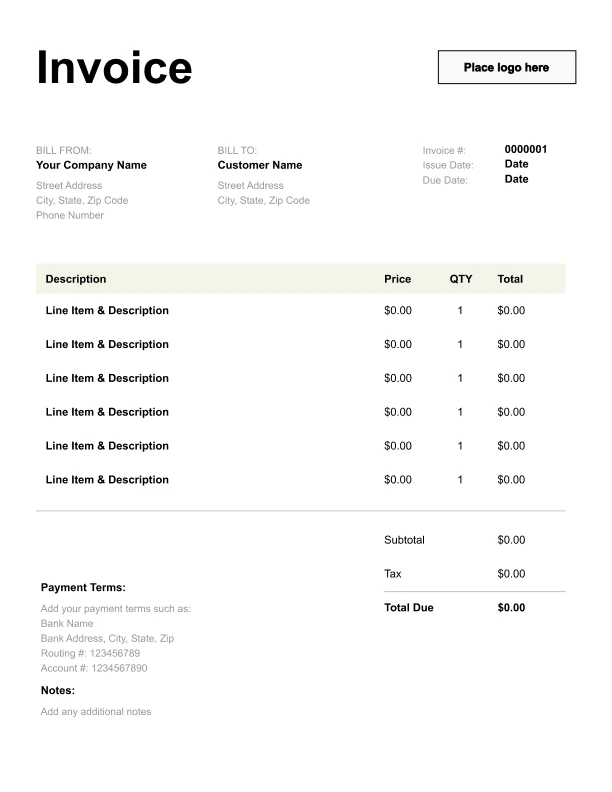
Clean Masonry Invoice Template
A simple, versatile layout for services or products.
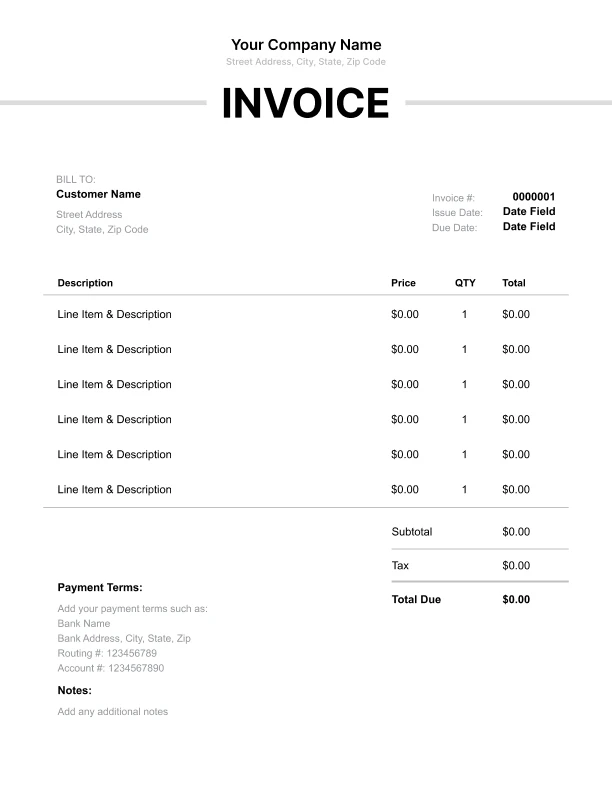
Minimal Masonry Invoice Template
Lightweight design that keeps focus on line items.
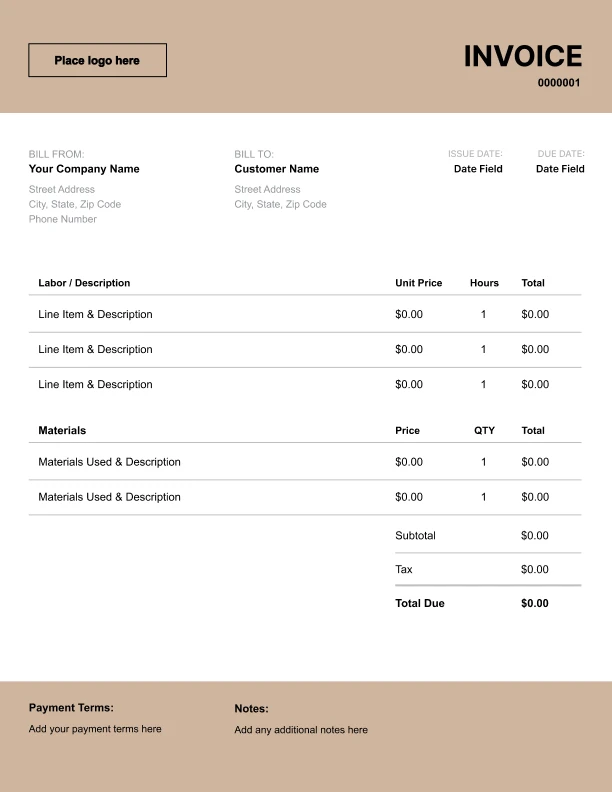
Bold Masonry Invoice Template
Strong structure for large projects or milestones.
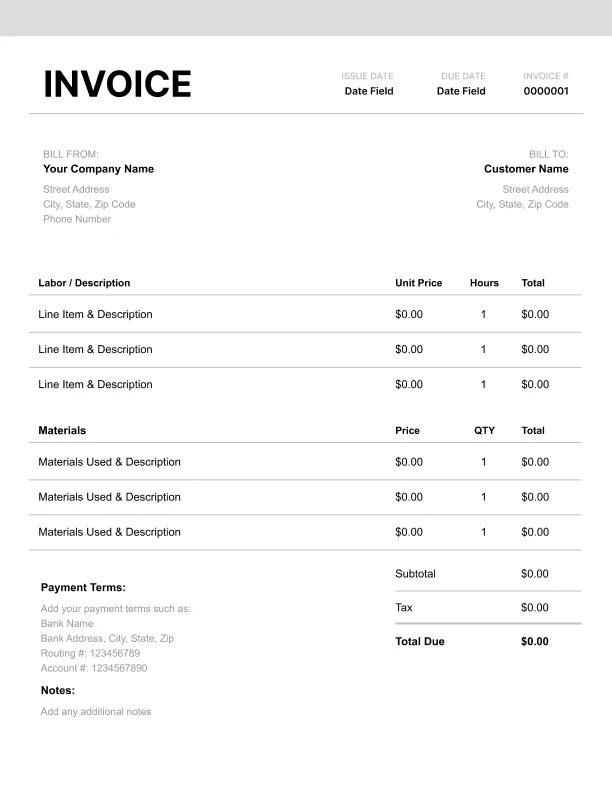
Classic Masonry Invoice Template
Timeless styling that works for any industry.
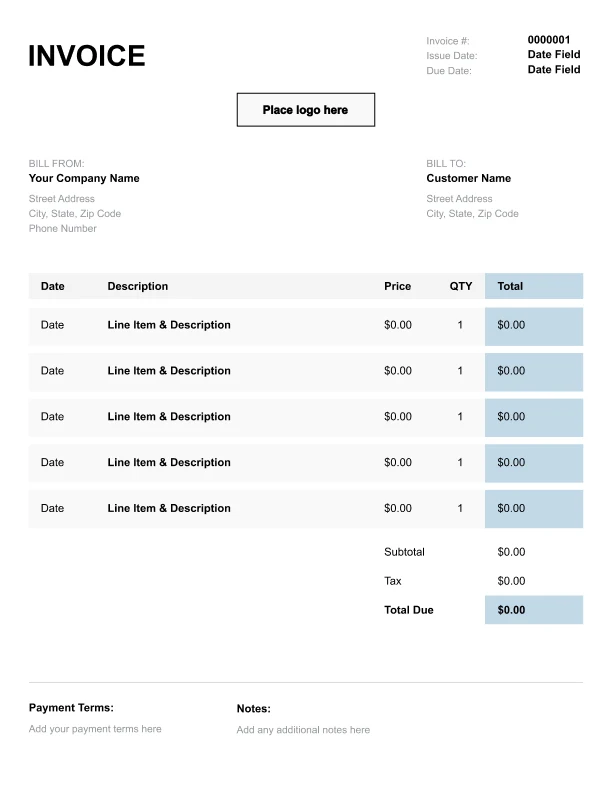
Simple Masonry Invoice Template
Easy to scan and perfect for quick billing.
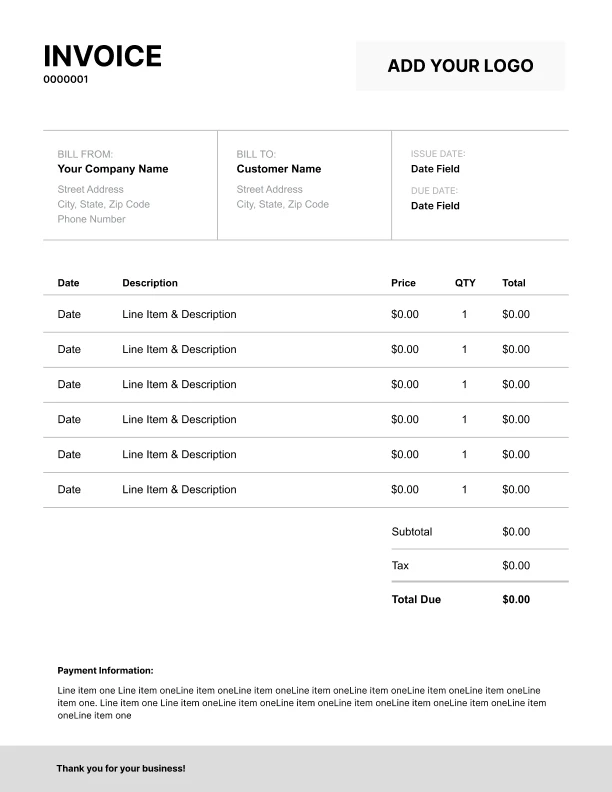
Detailed Masonry Invoice Template
Extra room for items, notes, and tax breakdowns.
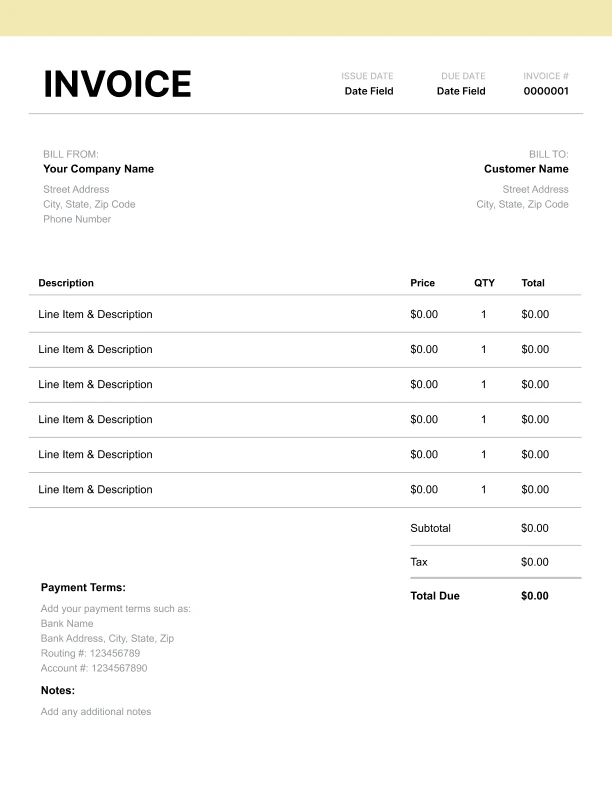
Modern Masonry Invoice Template
Clean sections with a subtle accent header.
Use Free Masonry Invoice Generator
Prefer a polished, client-ready invoice fast? The generator auto-calculates totals, applies taxes and discounts, and lets you customize your logo and colors.
Masonry Invoice Generator
What to Include on a Masonry Invoice
Masonry invoices should document the project location, the type of masonry work performed, and separate labor from materials.
Project details- Client name and contact info
- Project address
- Work area (wall, patio, chimney, steps, foundation)
- Material type (brick, block, stone)
- Masonry labor (hours or crew days)
- Specialty work (tuckpointing, chimney rebuild, stone setting)
- Access/scaffold setup (if needed)
- Brick/block/stone materials
- Mortar and supplies
- Reinforcement or lintels (if used)
- Demolition and removal
- Disposal/dump fees
- Sealing (if offered)
- Subtotal, sales tax, total due
- Payment terms and deposit credits (if any)
Masonry Pricing Guide (Common Job Types)
Masonry pricing varies based on access, materials, and the amount of prep/demolition required.
Common job types- Brick or block wall repairs
- Stone veneer installation
- Patios and walkways
- Steps and retaining walls
- Chimney repairs and rebuilds
- Tuckpointing/repointing mortar joints
- Difficult access or height (scaffolding)
- Demolition and disposal
- Structural damage under the surface
- Matching older materials and mortar color
- Complex patterns or custom finishes
Tuckpointing and Repointing: How to Invoice It
Tuckpointing (repointing mortar joints) is often billed as a project fee or by area.
How to list it- As a separate line item (“Tuckpointing / repointing — project fee”)
- Or based on measured area (“per sq ft” if you prefer)
Hidden Damage and Change Orders
Masonry work often reveals hidden issues: cracked cores, moisture damage, shifting foundations, or failing lintels.
Best practices- Keep “Demolition & removal” separate
- Note that additional repairs require approval
- Use consistent language (change order / additional scope)